

At a glance
- The best recliners for back pain provide strong lumbar support, proper fit and adjustable positions
-
A medium-firm chair is usually better than a soft one for maintaining posture
-
Rise and recline chairs are ideal if you need help standing or have reduced mobility
-
A dual motor riser recliner for lower back pain allows more precise positioning
-
Tilt-in-space recliner chair benefits include better posture support during longer sitting periods
-
For conditions like sciatica, choose a chair that allows leg elevation and pressure relief
-
The right chair should fit your body, because size and support matter more than extra features
Back pain can turn everyday comfort into a challenge. If sitting down leaves you stiff or struggling to stand back up, the right chair can make a real difference.
This guide explains what to look for, how different recliners compare, and how to choose the right option for your needs.
Are recliners good for back pain?
Recliners can help with back pain, but only if they provide proper support. A good recliner allows you to change position, support your lower back and reduce pressure on your spine.
The ability to adjust your position is important. Sitting in one posture for too long can increase stiffness and discomfort. A slight recline can ease pressure through the lower back and feel more supportive than sitting upright all the time.
However, not all recliners are suitable. Chairs that are too soft can cause you to sink and lose posture, which may make back pain worse. In many cases, a supportive, medium-firm chair is the better choice.
For most people, the best position is slightly reclined, with the lower back supported and the feet properly placed. Some people with sciatica may also benefit from raising their legs.
What to look for in the best recliners for back pain
When choosing the best recliners for back pain, focus on support, fit and adjustability:
Lumbar support
Lumbar support refers to support for the lower back. This part of the spine has a natural curve, and a good chair should help maintain it.
A recliner chair with lumbar support can reduce strain by keeping your spine aligned. Without this support, your posture can suffer, which can increase discomfort.
Firmness
Soft chairs might feel comfortable at first, but they don’t always give you the support you need. If you sink too deeply into the seat, your posture can suffer.
A medium-firm chair:
-
Holds your body in place
-
Helps maintain posture
-
Feels comfortable without letting you sink
Adjustability
Adjustable recliners allow you to change position throughout the day. This is useful if your pain varies or if you need different positions for different activities.
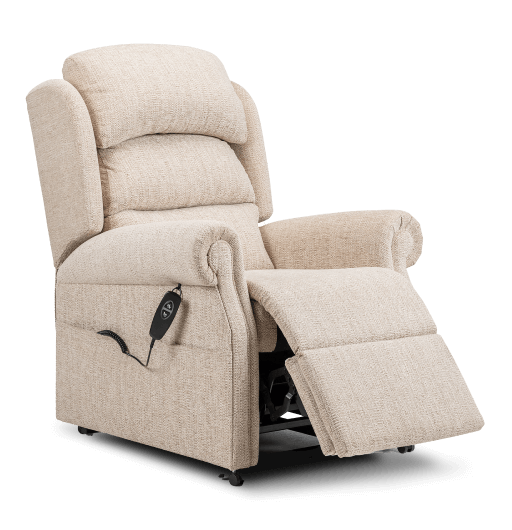
A dual motor riser recliner for lower back pain allows the backrest and footrest to move separately. This gives you more control and makes it easier to find a comfortable position.
Size and fit
The right fit makes all the difference.
Your chair should allow:
-
Your feet to rest comfortably
-
Your thighs to be supported
-
Your lower back to feel secure
If the chair is too large or too small, it can lead to poor posture and added strain. A well-fitted chair will feel supportive without forcing your body into an awkward position.
Recliner vs rise and recline chairs
A standard recliner is designed for comfort and relaxation. It allows you to lean back and can either be manual or electric.
A rise and recline chair adds another function. It gently lifts and tilts forward to help you stand up. This is especially useful if you have reduced mobility or stiffness.
If standing up feels difficult, this extra support can make everyday life easier. You may come across:
-
Single motor chairs — Back and footrest move together
-
Dual motor chairs — Back and footrest move independently
Dual motor chairs offer more flexibility, which can help you find a better position.
Another feature is tilt-in-space. Tilt-in-space recliner chair benefits include maintaining a more stable posture while reclining, as the whole chair moves together rather than bending sharply at the hips.
Best recliners for different types of back pain
The right recliner depends on your specific condition and needs:
Lower back pain
For general lower back pain, focus on lumbar support and a supportive seat. A slight recline is often more comfortable than sitting upright.
Avoid overly soft chairs, as they can increase strain on the lower spine.
Sciatica
Sciatica involves nerve pain that travels from the lower back down the leg. If you’re looking at how to choose a recliner for sciatica, focus on pressure relief and leg support.
A chair that allows you to elevate your legs and adjust positions easily may help improve comfort. Dual motor chairs can be especially helpful here.
Arthritis and stiffness
If stiffness is a problem, ease of movement matters. A rise and recline chair can make it easier to stand up and sit down without strain.
Smooth movement and stable support are more important than extra features.
Limited mobility
If moving in and out of a chair feels difficult, a standard recliner may not be enough. A rise and recline chair can help you stay independent by making it easier to stand safely.
A dual motor riser recliner can offer more control and flexibility throughout the day.
All-day sitting
If you spend longer periods in your chair, consistent support becomes more important.
Tilt-in-space can help by:
-
Supporting your body more evenly
-
Reducing pressure points
-
Minimising the need to keep adjusting
Key features explained in simple terms
Here’s a quick guide to some common features you might come across.
Dual motor recliner
A dual motor recliner has two motors, allowing the backrest and footrest to move separately. This gives you more control over your position.
Tilt-in-space
Tilt-in-space means the chair tilts your whole body backward as one unit. This can help maintain posture and feel more supportive.
Heat and massage
These features can feel relaxing, but they’re not essential. Support and fit should always come first.
Waterfall back and lateral support
A waterfall back uses layered cushions for a softer feel. Lateral support provides support at the sides of your body. These can improve comfort, but should not replace proper support.
How to choose the right recliner for your needs
Start by thinking about your body and how you use the chair. Check that:
-
Your feet are supported
-
Your lower back is supported
-
The seat depth feels comfortable
-
Your arms and shoulders can relax
If standing up is difficult, a rise and recline chair can make things much easier. If you’d like more flexibility, a dual motor option gives you greater control.
If you can, try a chair before you decide. Sit in it, move between positions and take your time.
And if you’re unsure, speaking to someone who understands can help you feel more confident in your choice.
Common mistakes to avoid
One common mistake is choosing a chair based on softness or appearance rather than support. Soft chairs can lead to poor posture and more discomfort over time.
Another mistake is ignoring size. A poor fitting chair can create pressure points and make standing harder.
It’s also easy to focus too much on extras like heat or massage. These features aren’t a replacement for proper support.
Finally, don’t overlook mobility needs. If standing is difficult, a standard recliner might not be enough.
Get started with Muick Sandy
The best recliners for back pain are those that support your posture, fit your body and make daily movement easier.
For some people, a standard recliner is enough. For others, especially those with reduced mobility, a rise and recline chair offers better support and independence. Features like lumbar support, dual motor adjustment and tilt-in-space can all help, but only when the chair fits you properly.
If you’re unsure which option is right, speaking to a specialist can help you make a more confident choice.
Speak to our team or book a demo to find the right recliner for your back and mobility needs.
Best recliners for back pain FAQs
What type of recliner is best for back pain?
A supportive recliner with lumbar support and adjustable positions is usually best. If mobility is limited, a rise and recline chair may be more suitable.
Is a firm or soft recliner better?
A medium-firm recliner is usually better, as it supports your posture and prevents sinking.
Are rise and recline chairs better than standard recliners?
They can be, especially if you need help standing or changing position.
Can a recliner help with sciatica?
It can help with comfort if it supports posture and allows leg elevation.
What is the best sitting position for lower back pain?
A slight recline with good lumbar support is often the most comfortable position.