


At a glance
-
Most people get used to a new recliner within a few days to a few weeks
-
It's normal for a new recliner to feel firmer than an older chair, especially during the first few weeks of use
-
Small adjustments to your seating position and recline settings can significantly improve comfort
-
Ongoing pain, pressure points or difficulty standing may indicate that the chair isn’t the right fit
-
Family members and carers should monitor comfort, posture and ease of movement during the adjustment period
-
Choosing a properly fitted rise and recline chair can help reduce adjustment time and improve long-term comfort and independence
So, how long does it take to get used to a new recliner? In most cases, it takes anywhere from a few days to a few weeks. The exact timeframe depends on the chair itself, how different it is from your previous seating and your individual mobility needs.
A short adjustment period is usually normal. However, it's also important to recognise the difference between a chair that's settling in and one that may not be the right fit. Here's what to expect and how to make the transition more comfortable.
How long does it take to get used to a new recliner?
There isn’t a single answer but most people find that comfort improves gradually over the first few weeks. Several factors can influence how quickly you adjust:
-
The firmness of the cushioning
-
The chair's size and shape
-
Your usual sitting habits
-
Your mobility and physical condition
-
How often you use the chair
If you're wondering how long it takes to break in a recliner, the answer is similar. New foam and upholstery often feel firmer than older furniture because they haven't softened through regular use.
For people with limited mobility, the adjustment period can sometimes take longer. You're not only adapting to the comfort of the chair but also learning how to use features such as reclining positions and rise assistance.
Comfort should be improving over time. A chair that feels unfamiliar today may feel completely natural in a few weeks.
Why does a new recliner feel uncomfortable at first?
One of the most common concerns people have is that their new recliner feels uncomfortable compared to their old chair. That's because the old chair had softened over many years of use. While that may have felt comfortable, it doesn't necessarily mean it was providing good support. A new recliner may feel different because:
-
The cushioning is firmer
-
Your posture is changing
-
The seat height is different
-
Your weight is being distributed differently
-
The armrests sit at a new position
-
The recline angle feels unfamiliar
In many cases, a supportive chair can initially feel less comfortable simply because your body has become used to a different seating position. A little firmness is normal. Persistent pain, pressure or difficulty standing isn’t.
How can you make a new recliner more comfortable?
If you're still adjusting to your chair, a few simple changes can help improve comfort. Try the following:
-
Sit fully back in the chair rather than perching on the edge.
-
Use the recline function to find a position that supports both your back and legs.
-
Spend short periods in the chair initially before gradually increasing usage.
-
Ensure your feet and legs are properly supported.
-
Check that armrests allow your shoulders to remain relaxed.
-
Avoid staying in one position for long periods.
If you use a rise and recline chair, taking time to learn the controls can also make a big difference. These chairs are designed to support comfort and independence, but it can take a little practice to find your preferred position.
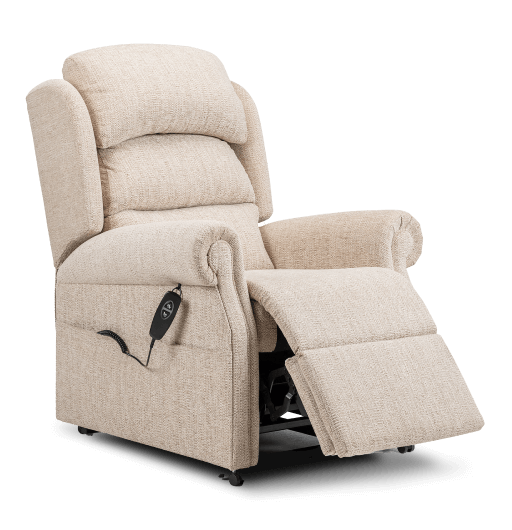
A rise and recline chair uses a motorised mechanism to change position. Some models move the backrest and footrest together, while others allow each section to be adjusted independently. Finding the right combination of support for your back, hips and legs often improves comfort significantly.
Signs your recliner may not be the right fit
Although some adjustment is normal, certain signs suggest the chair may not be suitable for your needs. Here a few common signs a recliner chair is the wrong size:
-
Your feet don't sit comfortably when seated
-
You struggle to stand up safely
-
The seat feels too deep
-
You slide forward while sitting
-
Your lower back lacks support
-
The armrests feel too high or too low
-
You cannot find a comfortable reclining position
It's particularly important for people with limited mobility to have a chair that fits correctly. A poorly fitted chair can affect comfort, posture and ease of movement. You should also seek advice if you experience:
-
Ongoing pain
-
Numbness or tingling
-
Pressure marks on the skin
-
Worsening discomfort
-
Difficulty transferring in or out of the chair
A good recliner should make everyday life easier, not harder.
What should family members and carers look out for?
When a loved one gets a new recliner, it's easy to focus solely on whether they like it. However, comfort is only part of the picture.
Family members and carers should also look for signs that the chair is supporting safe and comfortable movement. Here are a few useful questions:
-
Can they sit down comfortably?
-
Is standing easier than before?
-
Do they appear well supported?
-
Are they using the rise function confidently?
-
Do they complain of pressure or pain after prolonged use?
It's also worth observing posture. Someone who constantly slides forward or struggles to find a comfortable position may need adjustments or further advice.
The goal should be to promote independence while ensuring the chair continues to meet their needs.
Choosing the right recliner can reduce adjustment time
One of the best ways to minimise the adjustment period is to choose a chair that fits properly from the start. Important considerations include:
-
Seat height
-
Seat depth
-
Seat width
-
Back support
-
Armrest position
-
Ease of operation
The right chair should support your body comfortably while making it easier to sit, relax and stand.
For example, these products illustrate how different recliners are designed to meet different comfort and mobility requirements:
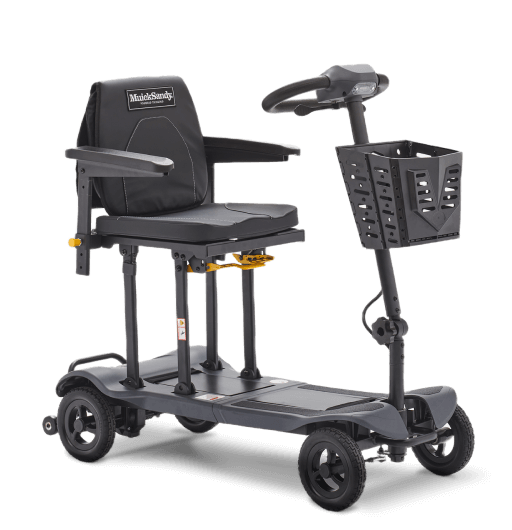
Mobility is also about maintaining independence beyond your favourite chair. For some people, products like mobility scooters can complement a wider mobility solution and help support confidence both at home and outdoors.
Find the right recliner for you with Muick Sandy
So, how long does it take to get used to a new recliner? For most people, the answer is anywhere from a few days to a few weeks.
A new chair may feel firmer or different at first, particularly if it offers more support than the chair it replaces. In many cases, this is simply part of the adjustment process.
If your recliner continues to cause discomfort, affects your posture or makes standing difficult, it may be worth reviewing whether the chair is the right fit.
The right recliner should help you feel comfortable, supported and confident every day. Book a home demo or speak to our team to get started.
New recliner FAQs
How long does it take to break in a recliner?
Most recliners take a few days to several weeks to feel fully settled. The cushioning softens slightly with use, while your body adapts to the chair's support and positioning.
Is it normal for a new recliner to feel uncomfortable?
Yes, some initial firmness or unfamiliarity is normal. However, pain, numbness or difficulty standing should not be ignored.
How do I know if my recliner is the wrong size?
A recliner may be the wrong size if your feet aren't supported, you slide forward or you struggle to sit or stand comfortably.
What is the best position to sit in a recliner?
Generally, you should sit fully back in the chair with your back supported and your legs comfortably positioned.
Can a rise and recline chair help with limited mobility?
Yes. Rise and recline chairs are designed to help users sit down and stand up more easily while providing supportive seating throughout the day.