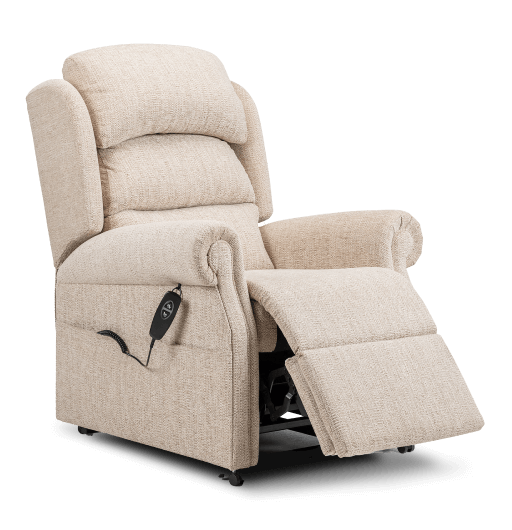


Over the past week, I’ve been out on the road demonstrating our new ultra high leg lift rise and recline chair in real homes across the UK. What stood out straight away was how quickly people could feel whether a chair truly supported them or not.
I’m Brent Milne, and as a rise and recline chair specialist opinion voice at Muick Sandy, my role is to listen, measure and help you find something that feels right for your body and your routine.
In this update, I’ll share what I’ve seen first hand. You’ll learn why leg lift height matters more than many people expect, how personalisation has changed, and what customers are really saying once they sit down and settle in.
Every demo is done in a real home, with real feedback and no pressure. That’s where comfort becomes clear.
What I’ve noticed most when demonstrating this chair in real homes
Demonstrating a chair at home reveals things no brochure ever could. In your own space, you notice how a chair feels after ten minutes, not just ten seconds. That’s where a made to measure rise and recline chair starts to make sense.
The most common questions I hear are simple and honest:
-
Will it support my legs properly?
-
Will I feel pressure behind my knees or lower back?
-
Is it easy to adjust without thinking about it?
-
Can I relax without constantly shifting position?
What reassures people most is seeing how the chair is designed around you, not the other way round. Small adjustments during a home appointment often make a big difference. When the fit is right, shoulders drop, legs settle, and people stop fidgeting.
This is why specialist fitting matters. It’s not about choosing a chair from a range. It’s about understanding how you sit, rest and move through the day, and matching the chair to that.
The biggest change: personalisation that actually feels personal
One of the biggest shifts I’ve seen recently is how personalisation now feels genuinely useful, not overwhelming. A modern rise and recline chair can offer one, two, three or four motors, and that choice matters more than it sounds.
In simple terms, more motors mean more independent movement. For example:
-
A single motor moves the back and leg together
-
A dual motor lets your back and legs move separately
-
A four motor rise and recline chair allows finer control, including head and lumbar adjustment
This flexibility gives you more chance of finding your just right position. Some people like to sit upright for reading. Others prefer a gentle recline for watching television or resting.
Optional heat and therapy functions are often chosen for comfort. Customers tell me they enjoy the warmth and gentle movement, especially in the evening, without expecting anything clinical from it.
The aim is always the same: Your comfort. Your posture. Your daily routine.
Why independent adjustments matter day to day
Small changes can make a big difference over time. When your head, lower back and legs can be adjusted independently, support stays with you as you relax.
People often tell me they notice:
-
Less need to keep shifting position
-
Easier settling when sitting for longer
-
Support that still feels right after half an hour
This is where a zero gravity rise and recline chair style comfort is often mentioned. It’s not about a technical position. It’s about feeling evenly supported so your body can relax naturally.
Measuring and fitting: where comfort is won or lost
Even the best designed chair won’t feel right if it doesn’t fit you properly. Measuring and fitting is where comfort is either gained or lost.
During a home appointment, I look at things like seat height, seat depth and back support. These sound simple, but they affect how your weight is carried and where pressure builds up. When measurements are right, your body stays supported from shoulders to calves.
Customers often mention the difference when there are no pressure gaps. That simply means your body isn’t left hanging in one area while another takes the strain. Support feels consistent and reassuring.
Automatic lumbar support and adjustable neck support also stand out. Many people notice them straight away, especially when sitting for longer periods. They help the chair adapt to you, rather than asking you to adapt to the chair.
This specialist approach is a big part of what people value when exploring options through our rise and recline chairs collection.
The ‘zero gravity’ feel customers describe
Many people use the phrase zero gravity when describing how the chair feels. That’s their language, not a medical term.
What they usually mean is simple:
-
Weight feels more evenly spread
-
Pressure on joints and muscles feels reduced
-
The body feels more at ease
It’s a comfort experience rather than a clinical claim. When a chair is measured and adjusted correctly, it can feel like it’s supporting you from all angles, which helps you relax without effort.
Why the ultra high leg lift matters more than you might think
Leg lift height is often overlooked until you experience the difference. A standard leg elevation chair for swelling may raise the legs slightly, but an ultra high leg lift allows them to be raised significantly higher.
In real homes, this matters most at the end of the day. People talk about heavy legs, tightness, or simply wanting to elevate their legs properly while resting. With higher elevation, legs are better supported rather than left half raised.
Customers exploring this option often mention swelling, oedema or lymphoedema. I’m always careful to explain that the chair doesn’t treat conditions. What it can do is help you feel more comfortable and may support circulation by allowing proper elevation.
The key difference is not needing to compromise. You’re not settling for a half supported position. You’re choosing comfort that fits how your body feels.
A calm note on health concerns
If you have specific medical concerns, it’s always best to speak with a healthcare professional. During a fitting, we focus on comfort needs and daily routines, and we discuss everything gently and clearly.
The chair can be configured around how you feel and how you live, without making assumptions or promises.
The most rewarding part for me as a specialist
The most rewarding moments come when someone realises they don’t have to put up with discomfort. I see it when shoulders soften and breathing slows. That’s when people feel understood.
Matching features to individual needs is the whole point of specialist seating. It’s not about adding options. It’s about removing uncertainty and building confidence.
You deserve comfort that fits you. Seeing that reassurance grow during a home visit is why I do this work, and why personal fitting remains so important to what we do at Muick Sandy.
Final thoughts from the road
After a week on the road, the message has been clear. Real comfort comes from combining thoughtful personalisation, careful fitting and the support of an ultra high leg lift. When those elements come together, people feel reassured and at ease in their own homes.
This approach reflects what we stand for. Specialist-led guidance, real world testing and calm, supportive care. If you’re exploring seating options and want to talk things through, we’re here to help. We’ll help you to experience comfort properly, without pressure, and with support at every step through our customer service team.
Brent Milne
Rise and Recline Chair Specialist
Try it at home. No pressure. A personal fitting can be requested for a home appointment, or you can get in touch if you’d rather talk things through first.
FAQs
What is an ultra high leg lift rise and recline chair?
An ultra high leg lift rise and recline chair raises your legs higher than standard models. It’s designed to support comfort by allowing proper leg elevation while you sit or recline, rather than leaving legs only partially raised.
Can elevating your legs help with swelling or fluid retention?
Elevating your legs may help you feel more comfortable and can encourage blood flow for some people. It’s not a medical treatment, but many customers find that proper elevation feels more supportive, especially later in the day.
What’s the difference between 1, 2, 3 and 4 motor rise and recline chairs?
The number of motors affects how independently the chair moves. More motors usually mean more separate control of the back, legs, head or lumbar area. This can help you fine tune your position for different activities and times of day.
What does a ‘zero gravity’ position mean on a rise and recline chair?
Many customers use this phrase to describe a feeling rather than a setting. It usually means weight feels evenly supported and pressure feels reduced, helping the body relax more naturally while seated.
Do I need to be measured for a rise and recline chair?
Yes. Measuring helps ensure seat height, depth and back support suit your body. Proper fitting reduces pressure points and helps the chair stay comfortable even when you sit for longer periods.