

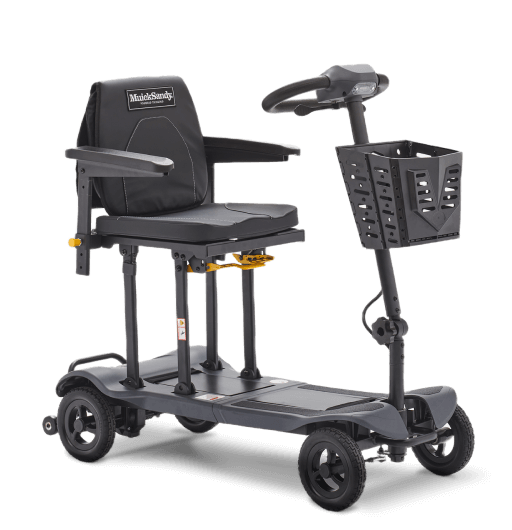



Battery issues are by far the most common, and in most cases they are expected, manageable and not a sign of a serious fault. Changes in charging habits, storage or routine often explain what is happening.
In this guide, we’ll walk through why battery issues happen, the signs to look out for, and what you can safely check at home. We’ll also touch on other common mobility scooter problems, share simple mobility scooter maintenance tips, and explain when it’s a good idea to ask for support.
The aim is to help you feel calm, informed and in control, so you can keep using your scooter with confidence.
What is the most common problem with mobility scooters?
The most common mobility scooter problems are linked to the battery and charging system. This includes mobility scooter battery problems like reduced range, slower charging, or a scooter that struggles to start.
This doesn’t usually mean something is wrong with the scooter itself. Batteries are working parts. They change over time and respond to how they are used and stored. That’s normal.
Knowing this can be reassuring. If your scooter feels different, it’s often a battery issue rather than a major fault. Many issues can be prevented with simple habits, and others can be resolved with friendly advice.
Understanding the cause helps you feel confident rather than concerned. It also means you know where to focus your attention first.
Why battery and charging problems are so common
Batteries are the hardest working part of a mobility scooter. Over time, they naturally wear and respond to everyday use. This is why mobility scooter battery problems are so common.
Some of the most common reasons include:
-
Natural wear as batteries age
-
Charging routines that change without noticing
-
Long periods where the scooter is not used
-
Storage in cold or damp places
If a scooter sits unused for weeks, the battery can lose charge more quickly. Cold weather can also affect performance, especially if the scooter is stored in a shed or garage.
None of this is about doing something wrong. It’s about understanding how batteries behave. Once you know what affects them, battery care for mobility scooters becomes much simpler and more predictable.
Signs your mobility scooter battery may be struggling
It’s normal for battery performance to change gradually. These signs often appear slowly rather than all at once. Common warning signs include:
-
Reduced distance before needing to recharge
-
A scooter losing power quickly during use
-
Slower speed on hills or ramps
-
A mobility scooter battery not holding charge
-
A mobility scooter not charging fully
-
A mobility scooter won’t start without warning
Gradual changes usually point to battery health rather than a sudden fault. Spotting these early gives you time to act calmly and avoid frustration.
What you can safely check at home before worrying
If something feels different, there are a few simple checks you can do. These are part of basic mobility scooter troubleshooting and don’t require tools or technical knowledge.
Simple checks that don’t require tools
Before assuming there’s a problem, it can help to ask a few simple questions:
-
Has the scooter been fully charged recently
-
Are the charger cables securely connected
-
Has the scooter been unused for a while
-
Has anything changed in your daily routine
-
Is the scooter stored somewhere cold or damp
Sometimes the answer is as simple as a missed charge or a change in storage. It’s always okay to pause and ask for advice if you’re unsure, especially if you want to speak to someone who understands your scooter.
When a mobility scooter won’t start
Few things feel more worrying than when a mobility scooter won’t start. In most cases, the cause is still battery related.
The battery may be low, not fully connected, or affected by long periods of non use. Other simple causes can include the scooter not being switched fully on or a loose connection.
This doesn’t automatically mean a major repair is needed. If basic checks don’t help, it’s a good time to look for clear guidance that explains what to do next. Getting advice early often prevents bigger issues later.
Other common mobility scooter problems
While batteries are the most common issue, there are a few others that come up less often.
Tyre and wheel issues
Tyres can wear over time or lose pressure. This can make the ride feel uneven or less comfortable. Regular visual checks help spot problems early.
Loss of power while driving
Loss of power is often linked back to battery health, especially if it happens gradually. Slower speed or reduced climbing ability usually points to charging or storage habits.
Basic electrical issues
Lights, horns or controls may occasionally stop working. These are usually simple electrical issues and should always be checked by a professional rather than fixed at home.
Simple mobility scooter maintenance tips that prevent problems
A few small habits can make a big difference. These mobility scooter maintenance tips focus on prevention rather than repair. Helpful habits include:
-
Keeping batteries charged even during periods of non use
-
Storing the scooter in a dry, sheltered place
-
Doing quick visual checks before setting off
-
Asking for advice if something feels different
These steps support long term confidence and control, and help reduce avoidable issues, especially when you understand what’s involved if a battery ever needs replacing.
Understanding the issue and knowing when to ask for help
Battery issues are the most common mobility scooter problem, but they’re rarely something to fear. In most cases, they’re expected, manageable and linked to everyday use.
Knowing the signs, understanding what’s normal, and having a few simple checks in mind can make a big difference. When support is needed, it’s always there, whether that’s guidance, servicing or a home visit to talk things through.
At Muick Sandy, we believe independence comes from feeling informed and supported. We’re here to help. If you’re ever unsure, just get in touch for friendly, pressure free advice.
FAQs
What is the most common problem with mobility scooters?
The most common problem is battery related. This includes reduced range, charging issues or slower performance. These changes are usually normal and manageable with the right care and advice.
Why won’t my mobility scooter battery charge?
This can happen if the scooter hasn’t been used for a while, if charging habits have changed, or if the battery is nearing the end of its lifespan. Simple checks and early advice can help clarify the cause.
Why does my mobility scooter lose power quickly?
A scooter losing power quickly is often linked to battery health, cold storage or long periods of non use. Gradual changes usually point to the battery rather than a sudden fault.
How can I prevent mobility scooter battery problems?
Regular charging, dry storage and gentle use all help. Following simple battery care for mobility scooters can reduce issues and extend confidence in daily use.
When should I ask for help with my mobility scooter?
If basic checks don’t resolve the issue, or if something feels unusual, it’s always okay to ask for support. Friendly advice is available whenever you need it.